Selsdon Road Upholstery Cleaning Services in Kenley
If your sofa is looking tired, your dining chairs have picked up a few mystery marks, or that armchair by the window has dulled into a shade you do not quite recognise anymore, you are not alone. Upholstery takes a beating in everyday life. Spills happen, pets hop up when they shouldn't, and dust quietly settles in layers you only notice once the afternoon light hits the fabric just right. That is where Selsdon Road upholstery cleaning services in Kenley come in: practical, fabric-safe cleaning that helps restore appearance, freshness, and comfort without turning your home upside down.
This guide breaks down what local upholstery cleaning involves, how the process works, what to expect, and how to choose the right approach for different fabrics and situations. If you are comparing options, trying to remove a stubborn stain, or simply want to keep your furniture in better shape for longer, you will find the useful bits here. Truth be told, upholstery cleaning is one of those jobs people put off until the problem becomes obvious. Better to get ahead of it.
Why Selsdon Road upholstery cleaning services in Kenley Matters
Upholstery does more than sit there looking decorative. It absorbs daily life. Body oils transfer from skin, crumbs work their way into seams, and airborne dust clings to fibres. Over time, all of that can make a room feel less fresh even if the furniture still looks "fine" at first glance. In a busy home, especially one with children, pets, visitors, or just a lot of normal use, the fabric can start to feel flat, slightly sticky, or dull to the touch.
For households and small businesses in Kenley, local upholstery care matters because it supports both appearance and hygiene. A well-cleaned sofa or office chair not only looks better, it also feels better to use. You sit down and notice the difference immediately. It's that simple, really. Clean fabric can make a room brighter, reduce lingering odours, and help preserve the structure of the piece itself.
There is also a practical side. Buying new furniture is expensive, and replacing a good-quality armchair because of embedded dirt or a stubborn spill is usually unnecessary. Professional upholstery cleaning gives you a way to refresh what you already own. That is especially useful on Selsdon Road and nearby parts of Kenley where homes often balance everyday family use with the need to keep living spaces presentable for guests. If you are already looking at broader fabric care, it can also be helpful to explore related services such as sofa cleaning or the wider upholstery cleaning service approach.
Expert summary: Upholstery cleaning is not just about removing visible stains. Done properly, it helps protect fabric, improve comfort, and extend the usable life of your furniture - which, in a real home, is a pretty practical win.
How Selsdon Road upholstery cleaning services in Kenley Works
A proper upholstery clean usually starts with inspection. The cleaner identifies the fabric type, checks for wear, spots any dyes that may bleed, and looks closely at the staining pattern. That matters because a velvet armchair, a synthetic dining bench, and a wool blend footstool do not all respond the same way. If someone treats every piece the same, you can end up with water marks, texture changes, or fibres that dry unevenly. Not ideal.
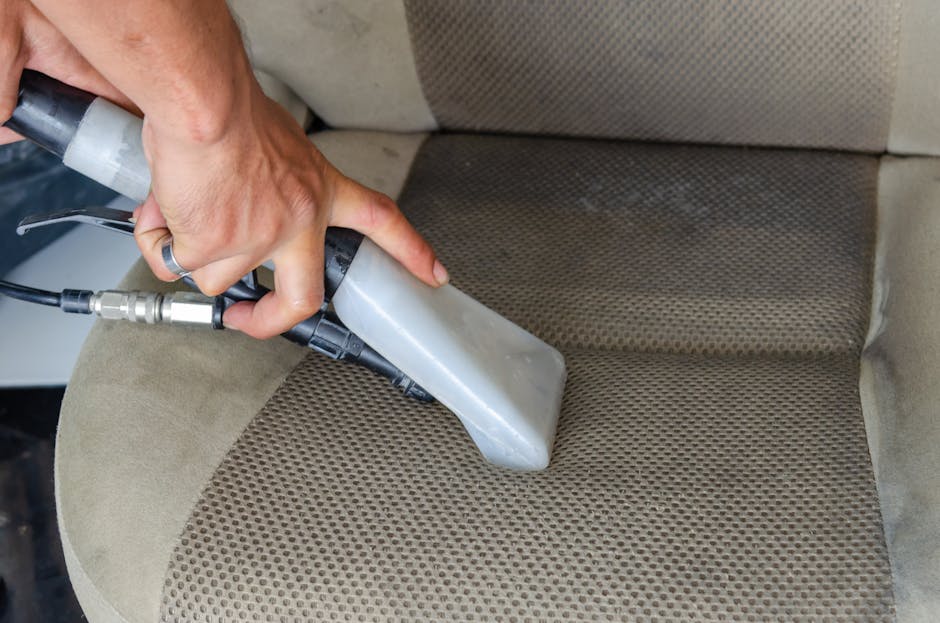
Once the fabric is assessed, the cleaner chooses the safest method. In many cases, the process involves a dry vacuum to remove loose dust and grit, followed by targeted pre-treatment on stains and high-traffic areas. After that, a controlled cleaning method is used to lift embedded soil from the fibres. Depending on the textile, this may involve low-moisture extraction, hot water extraction, or careful spot treatment. Some delicate materials need a lighter touch. In those cases, less is more.
For customers, the process is usually straightforward. Furniture is moved if needed, surrounding areas are protected, and the cleaner works section by section. Drying time depends on fabric, airflow, temperature, and the level of moisture used. On a mild day with good ventilation, things can dry surprisingly quickly. On a damp evening in winter, well, it can take a bit longer. That is normal.
If odours or pet-related issues are part of the picture, it may make sense to combine upholstery care with pet stain odour removal or targeted stain removal support. The key is matching the method to the problem, not forcing one technique onto everything.
Key Benefits and Practical Advantages
There are several reasons people book upholstery cleaning, and not all of them are about appearance, though that is usually the first thing they notice.
- Improved appearance: Fabric looks brighter, more even, and less patchy from day-to-day use.
- Reduced odours: Cleaning can help remove stale smells from food, pets, smoke, and general household use.
- Better comfort: Fresh upholstery simply feels nicer to sit on. You notice it the moment you lean back.
- Longer fabric life: Removing grit and residue can reduce wear on fibres and seams.
- More presentable interiors: Useful for homes, rental properties, home offices, and customer-facing spaces.
- Targeted stain control: Fresh spills are often easier to improve before they settle in.
One overlooked benefit is how upholstery cleaning supports the rest of the room. A clean sofa can make a carpet look better, and vice versa. If your furnishings and flooring are both due for attention, pairing upholstery care with carpet cleaning can create a much more noticeable overall result. The whole room feels reset. Not showroom-perfect, just properly looked after.
There is also a confidence factor. If guests are coming over, or you work from home and spend all day seeing the same chair from the same angle, it is nice not to be distracted by a faded patch or an old spill. Small thing, maybe. But it matters.
Who This Is For and When It Makes Sense
Upholstery cleaning makes sense for a wide range of people, but the timing depends on how the furniture is used.
- Families: Kids, snacks, sticky fingers, and the occasional accident are part of real life.
- Pet owners: Fur, dander, odours, and little muddy paws can build up fast.
- Renters and landlords: A cleaner sofa or chair helps a property feel cared for.
- Home workers: Office chairs and guest seating can pick up everyday wear from long hours of use.
- Older or valuable furniture owners: Good pieces are worth maintaining properly instead of replacing quickly.
- Small businesses: Waiting areas, reception seating, and staff rooms all benefit from better presentation.
When should you consider booking? Common triggers include visible soiling, a change in smell, frequent spillages, or a piece of furniture that has simply lost its freshness. Sometimes the trigger is more subtle. You sit down, and it just does not feel clean anymore. That is usually enough reason to take a look.
If your furniture is part of a larger cleaning plan, it can also help to think in terms of the whole space. Curtains, rugs, mattresses, and upholstery all collect dust in different ways. For example, matching fabric care with curtain cleaning or rug cleaning can make the home feel much more cohesive. Less stale, more lived-in in the best possible way.
Step-by-Step Guidance
If you are planning upholstery cleaning on or near Selsdon Road, here is a sensible way to approach it.
- Identify the fabric: Check labels where available, or note if the material feels delicate, textured, or water-sensitive.
- Inspect the damage: Look at stains, odours, sun fading, flattening, and areas of heavier use such as armrests and seat fronts.
- Test the risk: If you are doing any spot treatment yourself, always test in a hidden area first.
- Vacuum thoroughly: Use a soft brush attachment to lift dust, grit, hair, and crumbs from seams and creases.
- Choose the right method: Light cleaning, extraction, or specialist stain treatment should depend on the fabric and condition.
- Use controlled moisture: Too much water can leave marks or slow drying; too little may not remove enough soil.
- Allow proper drying: Ventilate the room, keep pets off the furniture, and avoid using the item before it is fully dry.
- Check the result: Look for remaining marks, uneven edges, or odour pockets once the fabric is dry.
A small practical tip: if you are cleaning a sofa before guests arrive, do not leave it to the morning of the event. I know, obvious. Yet people do it all the time. Give yourself a proper drying window so the furniture can settle back naturally.
Expert Tips for Better Results
To get the best outcome, a few habits make a real difference.
- Act quickly on spills: Blot, do not rub. Rubbing just pushes the stain deeper and roughs up fibres.
- Keep a record of fabric type: If you know what the upholstery is made from, future cleaning is easier and safer.
- Avoid soaking the fabric: More water is not always better. In upholstery, controlled cleaning usually wins.
- Refresh high-touch areas more often: Armrests, headrests, and seat fronts build up grime first.
- Rotate cushions if possible: It helps reduce uneven wear and flattening.
- Think about odour sources: If the smell keeps returning, the cause may be deeper than the visible stain.
One of the most useful habits is simply not waiting too long. Once a stain has sat there for months, it is not impossible to deal with, but it becomes more stubborn. And yes, sometimes a mark turns out to be a shadow of old residue rather than actual dirt. That happens more than you'd think.
If you want a broader fabric-care plan, consider pairing upholstery work with mattress cleaning for bedrooms or steam carpet cleaning for floors that trap dust. The combined effect can be pretty noticeable.
Common Mistakes to Avoid
A lot of upholstery damage comes from well-meaning DIY attempts. Let's face it, people are usually trying to fix a problem quickly, not make it worse. Still, a few mistakes come up again and again.
- Using harsh household cleaners: Bleach, strong solvents, and some all-purpose sprays can discolour fabric.
- Scrubbing aggressively: This can distort fibres and spread the stain outward.
- Over-wetting: Excess moisture can cause water marks, lingering damp, or even mildew in the wrong conditions.
- Ignoring the hidden areas: Dirt often builds up in seams, backs, and under cushions where it is less obvious.
- Cleaning without a fabric check: Delicate fabrics need a different approach from robust synthetics.
- Putting cushions back too soon: Trapped damp can lead to unpleasant smells later.
Another quiet mistake is assuming every stain can be erased completely. Sometimes a mark can be reduced dramatically but not eliminated without risking the fabric. A careful cleaner will explain that upfront. That honesty matters more than a shiny promise.
Tools, Resources and Recommendations
For homeowners who want to maintain upholstery between professional visits, a simple kit is often enough. You do not need a cupboard full of products. In fact, that can be counterproductive.
- Vacuum with upholstery attachment: Useful for regular dust and crumb removal.
- Soft brush: Helps lift surface debris without roughing up the pile.
- Microfibre cloths: Good for controlled blotting and gentle surface wiping.
- Clean white towels: Handy for absorbing moisture during spill response.
- Fabric-safe spot treatment: Only if suitable for the upholstery type and always tested first.
- Ventilation: Open windows, move air gently, and let the fabric dry evenly.
For broader service planning, it can help to review related pages such as pricing and quotes if you are budgeting for multiple items, or payment and security if you want clarity on how transactions are handled. Those are the kinds of details people often forget to check until the last minute. Then suddenly it matters.
When a piece of furniture is especially valuable or sentimental, the recommendation is simple: avoid experimenting. Get the fabric assessed first. The cost of being cautious is usually much lower than the cost of repairing a colour run or texture change.
Law, Compliance, Standards, or Best Practice
Upholstery cleaning is not usually a heavily regulated service in the way some specialist trades are, but there are still important standards of care. In practice, good providers should work safely, use suitable products, protect your property, and communicate any limitations clearly. That is the baseline. Anything less is a bit sloppy.
In the UK, household and commercial cleaning work should be carried out with attention to product safety, risk reduction, and responsible waste handling where relevant. A trustworthy cleaning provider will usually have clear information on topics such as health and safety policy, insurance and safety, and how they approach recycling and sustainability. Those pages may not sound glamorous, but they are exactly the kind of things that tell you whether a company is organised and careful.
Best practice also means honest expectation-setting. A cleaner should not claim that every stain will vanish or that every fabric can tolerate the same treatment. They should explain drying times, risks, and aftercare in plain English. That builds trust, and it saves everyone a headache later.
If you ever need to understand how a company handles service concerns, the complaints procedure and terms and conditions are worth reading before booking. It is not exactly exciting weekend reading, granted. But it is sensible.
Options, Methods, or Comparison Table
Different upholstery situations call for different methods. Here is a straightforward comparison to help you think it through.
| Method | Best for | Strengths | Watch-outs |
|---|---|---|---|
| Light surface cleaning | Routine maintenance, dust, and minor marks | Quick, gentle, low moisture | May not lift deep soil or older staining |
| Low-moisture upholstery cleaning | Most everyday household upholstery | Balanced cleaning with faster drying | Technique matters; poor application can leave residue |
| Hot water extraction | Heavier soiling and embedded grime on suitable fabrics | Deep cleaning effect, strong soil removal | Not ideal for every textile; drying time must be managed |
| Targeted stain treatment | Single spots, spill marks, and problem areas | Focused, efficient, useful as part of a broader clean | Outcome depends heavily on stain age and fabric type |
For many homes, the best result comes from combining methods rather than relying on one alone. A sofa might need a general clean plus a separate treatment for a coffee mark on the arm. That kind of layered approach is often what makes the difference between "better" and "properly refreshed".
Case Study or Real-World Example
Imagine a family home on Selsdon Road with a three-seater sofa in a light neutral fabric. Over time, the seat cushions have picked up dullness from everyday use. One arm has a darker patch where people rest their hands. There is also a faint smell that seems stronger in the evening when the room is closed up.
In a situation like that, the first step is careful inspection. The fabric may look like it can handle a controlled extraction clean, but the arm section might need separate pre-treatment because of body oils and repeated contact. A professional would vacuum thoroughly, test the fabric, treat the armrest area, then clean the rest of the sofa in sections. After that, ventilation and sensible drying are key. No rushing. No blasting it with heat and hoping for the best.
The outcome is usually not dramatic in a flashy way. It is more subtle than that. The sofa looks cleaner, the room smells fresher, and the fabric feels less flat. A neighbour might not walk in and gasp. But you will notice it every time you sit down. That counts.
If the sofa is part of a larger refresh, you might also book curtain cleaning or carpet cleaning around the same time so the whole living area feels consistent. It is a small thing, yet somehow the room stops looking half-done.
Practical Checklist
Use this quick checklist before, during, and after upholstery cleaning.
- Identify the fabric type or care label where available.
- Vacuum all surfaces, including seams and under cushions.
- Check for loose threads, weak stitching, or worn areas.
- Blot any fresh spills before they settle deeper.
- Choose a cleaning method suitable for the textile.
- Test any product in a hidden spot first if doing minor spot treatment.
- Keep pets and children away until the item is fully dry.
- Ventilate the room after cleaning.
- Review the result in good daylight if possible.
- Book periodic maintenance rather than waiting for heavy build-up.
Quick takeaway: the best upholstery cleaning is careful, fabric-aware, and measured. Not rushed. Not soaked. Just properly done.
For anyone comparing service options or wanting a wider quote across multiple items, it is also worth checking about us to understand the company background and service approach before you book. A little reassurance goes a long way when you are handing over furniture you use every day.
Conclusion
Selsdon Road upholstery cleaning services in Kenley are about more than making furniture look presentable. They help restore comfort, reduce built-up dirt, manage odours, and extend the life of pieces you already value. Whether you are dealing with a single stubborn stain, a sofa that has lost its freshness, or a full-room refresh, the right cleaning approach makes a real difference.
The main thing is to treat upholstery as a fabric system, not just a surface. Check the material, respect the limitations, and choose the cleaning method accordingly. Do that, and you are much more likely to get a result that feels clean, looks cared for, and lasts well. That is the sort of result people quietly appreciate every single day.
If you are ready to take the next step, use the guidance above to compare your options and plan the job properly. A good clean can be surprisingly satisfying, almost oddly so. The room breathes a bit easier afterwards.
Get a free quote today and see how much you can save.
Frequently Asked Questions
How often should upholstery be professionally cleaned?
That depends on use. In a busy family home or pet-friendly household, upholstery may benefit from professional cleaning more often than in a lightly used room. Many people wait until it looks dirty, but by then the build-up is usually deeper than it appears.
Can all upholstery fabrics be steam cleaned?
No, not all fabrics are suitable for steam or hot water extraction. Delicate textiles, some natural fibres, and certain finishes may need a gentler method. Always check the fabric type first rather than assuming one method fits everything.
Will upholstery cleaning remove old stains?
Sometimes yes, sometimes partly, and sometimes the stain has already changed the fabric permanently. Older marks are more stubborn because they may have bonded with the fibres. A careful cleaner should explain what is realistic before starting.
How long does upholstery take to dry?
Drying time varies by fabric, cleaning method, ventilation, and room temperature. Light cleaning may dry fairly quickly, while deeper cleaning can take longer. Good airflow makes a noticeable difference, especially in cooler months.
Is upholstery cleaning safe for pets and children?
It can be, provided suitable products are used and the furniture is left to dry fully before normal use. If you have sensitive pets or young children, ask about the cleaning approach and aftercare so you know when it is safe to use the item again.
What is the difference between sofa cleaning and upholstery cleaning?
Sofa cleaning is a specific type of upholstery cleaning focused on sofas. Upholstery cleaning covers a broader range of furniture, including chairs, footstools, benches, and other fabric-covered items. The methods overlap, but the scope is wider.
Can I clean upholstery myself with household products?
For a small fresh spill, maybe, but only with caution. Many household products are too harsh or too wet for fabric furniture. If the piece is valuable, delicate, or already stained in several places, professional cleaning is the safer option.
Do I need to move furniture before the cleaner arrives?
Usually not every item, but clearing access around the furniture helps. It is sensible to remove small clutter, fragile items, and anything that could get in the way. That lets the work start smoothly and avoids awkward moving around later.
What should I do after upholstery cleaning?
Let the fabric dry fully, keep pets and children off it for a while, and avoid covering it with throws or cushions until it is properly dry. If possible, ventilate the room gently so moisture leaves evenly.
How do I know whether my furniture needs a deep clean or a light refresh?
If the fabric is lightly dusty or just looks a bit tired, a lighter clean may be enough. If there are visible stains, odours, sticky areas, or heavy use on the seats and arms, a deeper clean is usually more appropriate. A quick inspection often tells you a lot.
Is it worth cleaning older furniture?
Often, yes. Older furniture can be very worth saving if the frame is sound and the fabric is still in good condition. A professional clean can make a surprisingly old piece feel useful again, which is always nice when a favourite chair gets a second life.
Where can I find more details about service standards and policies?
You can review helpful pages such as insurance and safety, privacy policy, and terms and conditions to understand how the service is managed and what to expect before booking.